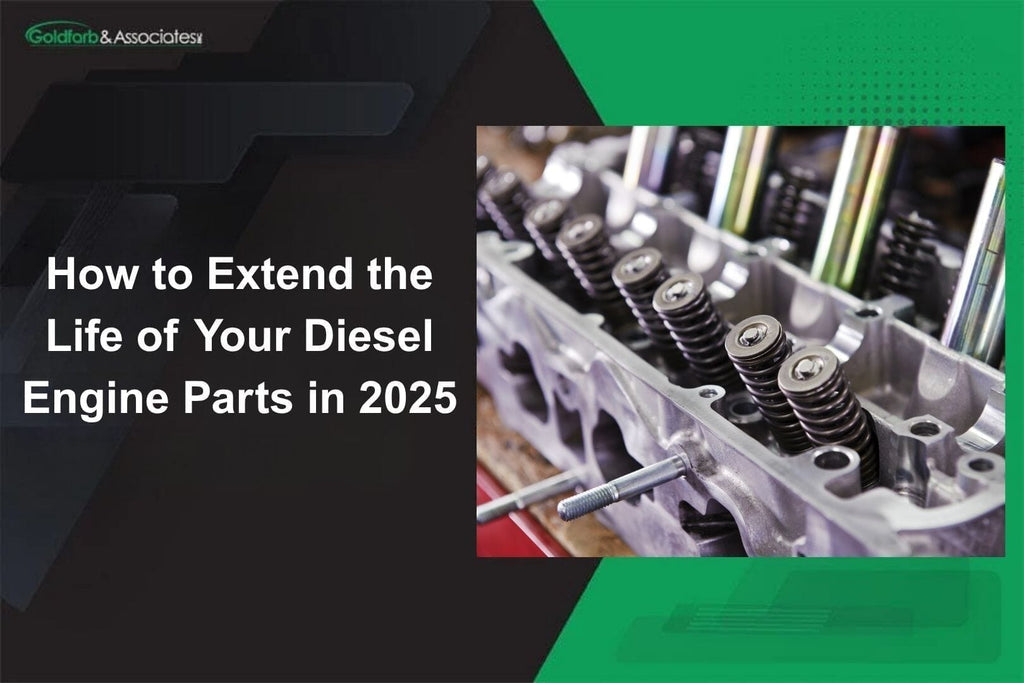
A diesel engine comprises various critical components that work in unison to deliver power and performance across a wide range of applications. From fuel injectors to turbochargers, each part plays a pivotal role in maintaining engine efficiency and longevity.
According to a report by the U.S. Department of Energy's Office of Energy Efficiency & Renewable Energy, "it is not uncommon for heavy-duty diesel engines to operate for more than 1 million miles" when properly maintained.
In this guide, we will delve into effective strategies to extend the life of your diesel engine parts in 2026, ensuring reliable performance and minimizing costly repairs.
Essential Diesel Engine Parts and Their Role
Diesel engines are complex systems made up of components that each serve a vital function. Some of the key parts include:
- Fuel Injectors: These are responsible for delivering precise amounts of fuel to the engine for combustion.
- Fuel Injection Pumps: These pumps regulate the fuel flow, ensuring the engine runs smoothly.
- Turbochargers: These devices help increase engine power by compressing air entering the engine, improving combustion efficiency.
- Camshafts & CHRA Cartridges: The camshaft controls the timing of valve openings, while CHRA cartridges are essential for the turbocharger's operation.
Maintaining these components ensures that the engine runs efficiently, minimizing the risk of damage.
What is the role of a turbocharger in a diesel engine?
A turbocharger improves engine performance by increasing the engine's intake air pressure, which leads to better fuel combustion and more power.

Importance of Regular Maintenance
Regular maintenance is essential for extending the life of diesel engine parts. This includes:
- Routine Inspections: Checking key components like fuel injectors, turbochargers, and pumps regularly can help detect early signs of wear and tear.
- Oil and Filter Changes: Replacing engine oil and filters at regular intervals ensures the engine runs smoothly and prevents contaminants from damaging engine components.
According to a study published in Applied Sciences, life cycle optimization models indicate that regular maintenance, including timely repairs, is critical for extending the overall life of a diesel engine and reducing environmental impact.
The study highlights that vehicle maintenance significantly affects the long-term environmental efficiency of the engine. Well-maintained engines require fewer resources and have a lower environmental burden over their lifecycle.
How often should I check my diesel fuel injectors?
It’s recommended to check fuel injectors every 12,000 to 15,000 miles or during routine maintenance to ensure they are functioning properly.
Choosing Quality Fuel and Lubrication
Using high-quality fuel and engine oils is one of the easiest ways to extend the life of diesel engine parts:
- Quality Fuel: Low-quality or contaminated fuel can cause significant damage to components like injectors and fuel pumps. Always use clean, high-quality diesel fuel.
- Proper Lubrication: Diesel engines rely on high-quality oils to reduce friction and prevent wear on components like camshafts and turbochargers.
Studies also highlight that fuel quality plays a crucial role in engine performance and longevity. Using commercial additives to improve fuel quality can significantly enhance engine performance, potentially extending the engine's life by improving combustion efficiency and reducing wear.
How does poor fuel quality affect diesel engines?
Poor fuel quality can cause clogging, wear, and tear on injectors and pumps, leading to poor engine performance and higher repair costs.
Upgrading and Replacing Parts at the Right Time
Replacing worn-out parts in a timely manner can prevent further damage to other components:
- Know When to Replace Parts: Understanding the lifespan of parts like turbochargers, injectors, and pumps can help you replace them before they cause significant engine damage.
- OEM vs. Remanufactured Parts: While OEM parts offer guaranteed quality, remanufactured parts can be a cost-effective alternative that still ensures good performance when sourced from reputable suppliers.
Is it better to use OEM or remanufactured diesel parts?
It depends on your needs. OEM parts guarantee quality, while remanufactured parts are often more affordable but should come from trusted sources.
Proper Driving and Operating Practices
The way you drive and operate your diesel engine has a direct impact on its lifespan:
- Avoid Rapid Acceleration and High RPMs: Sudden movements and over-revving can cause unnecessary strain on engine parts.
- Warm Up and Cool Down: Always allow the engine to warm up before heavy use and cool down after long drives to prevent undue strain.
According to a anohter study, driving practices that avoid excessive stress, such as rapid acceleration and prolonged high RPMs, can significantly extend the life of diesel engine components.
Avoiding these practices reduces wear on parts like the turbocharger, piston, and valves, leading to a longer engine lifespan.
How can driving habits affect the lifespan of a diesel engine?
Aggressive driving, such as rapid acceleration and high RPMs, can increase engine wear and reduce its overall lifespan.

Maintaining Your Cooling System
A properly functioning cooling system prevents the engine from overheating, which can cause damage to critical components:
- Coolant Levels: Regularly check coolant levels and ensure the system is free of leaks.
- Radiator Maintenance: Clean the radiator and replace any damaged hoses to maintain proper cooling.
What are the signs of an overheating diesel engine?
Common signs include the temperature gauge rising above normal, engine power loss, and a sweet-smelling coolant odor.
Monitoring and Diagnosing Engine Performance
Using diagnostic tools to monitor engine performance is key to identifying problems early:
- Use Diagnostic Tools: Tools like OBD scanners can help you track engine performance, fuel efficiency, and emissions.
- Act Quickly: If you notice performance issues like power loss or engine knocking, address them immediately before they escalate.
What diagnostic tools should I use for my diesel engine?
OBD scanners and engine performance monitoring tools are essential for diagnosing issues early and preventing major breakdowns.
Maintaining Turbochargers and Fuel Injectors
Turbochargers and fuel injectors are often subjected to extreme conditions and need regular maintenance:
- Turbocharger Maintenance: Keep the turbocharger clean and ensure it’s free from oil buildup, dirt, or debris.
- Fuel Injector Cleaning: Regularly clean injectors to prevent clogging, which can reduce engine efficiency.
How often should I clean my turbocharger?
It’s recommended to clean your turbocharger every 12,000 miles or according to the manufacturer’s guidelines.
Environmental Factors and Their Impact on Diesel Parts
Extreme weather and environmental conditions can accelerate wear and tear:
- Corrosion from Salt: If you live in coastal areas or where salt is used on roads, regularly clean and protect engine parts from rust and corrosion.
- Extreme Temperatures: In colder climates, consider using engine block heaters, and in hot climates, ensure proper air circulation and cooling.
How can I protect my diesel engine from corrosion?
Regular washing, applying rust inhibitors, and using corrosion-resistant parts can help protect your engine from environmental damage.
Choosing a Reliable Parts Supplier
The quality of parts you use is vital for engine longevity:
- Reputable Suppliers: Always buy parts from trusted vendors with a proven track record for quality, like Goldfarb & Associates.
- Warranty and Quality Assurance: Choose suppliers that offer warranties and quality control guarantees to ensure the reliability of the parts.
How do I choose a reliable diesel parts supplier?
Look for a supplier with a large inventory, positive reviews, and quality control practices to ensure you get the best parts for your engine.
Maximize the Longevity and Performance of Your Diesel Engine
Extending the life of your diesel engine parts in 2026 requires a combination of regular maintenance, high-quality components, and smart operating practices. By following these expert tips, you can ensure your diesel engine runs smoothly, saving you money on repairs and optimizing performance over time.
Ready to boost the longevity of your diesel engine? Explore our wide selection of premium diesel parts and maintenance tools at Goldfarb & Associates today!

Frequently Asked Questions
1. How long should diesel engine parts last?
Diesel engine parts can last anywhere from 100,000 to 1 million miles, depending on the part and maintenance practices.
2. What is the most common cause of diesel engine failure?
Lack of regular maintenance, poor fuel quality, and overheating are the most common causes of diesel engine failure.
3. How can I prevent my diesel engine from overheating?
Regularly check coolant levels, replace hoses and filters, and ensure the radiator is functioning properly.
4. Can using remanufactured parts affect engine life?
Remanufactured parts, when sourced from reliable suppliers, can perform as well as new parts and contribute to extending engine life.
5. What is the best way to clean diesel fuel injectors?
Use a professional injector cleaning service or a fuel system cleaner to ensure injectors stay free of carbon buildup and perform optimally.